What does it mean to own our stories when the systems and platforms that carry those stories are increasingly owned by others?
The global order is in motion. Traditional aid architectures are fracturing while new alliances form and strain simultaneously. Global powers are actively competing for narrative influence across the continent. International institutions are under strain.
At the same time, artificial intelligence is rewriting the rules of content creation, distribution, and consumption at a scale and speed that demands an Afrikan response. The training data, ownership structures, and governance frameworks of the dominant AI systems are overwhelmingly located outside Afrika. The risk of an algorithmic colonialism that reinforces existing narrative inequalities at industrial scale is real and present.
Alongside these pressures, a new Afrikan self-confidence is growing — from Nollywood to Afrobeats, from investigative journalism networks to grassroots media platforms.
The question now is not whether Afrika has stories to tell, but whether Afrikan storytellers have the resources, the sovereignty, the infrastructure, and the power to tell them on their own terms.
Afrotellers 2026 is where that question is confronted — directly and collectively.
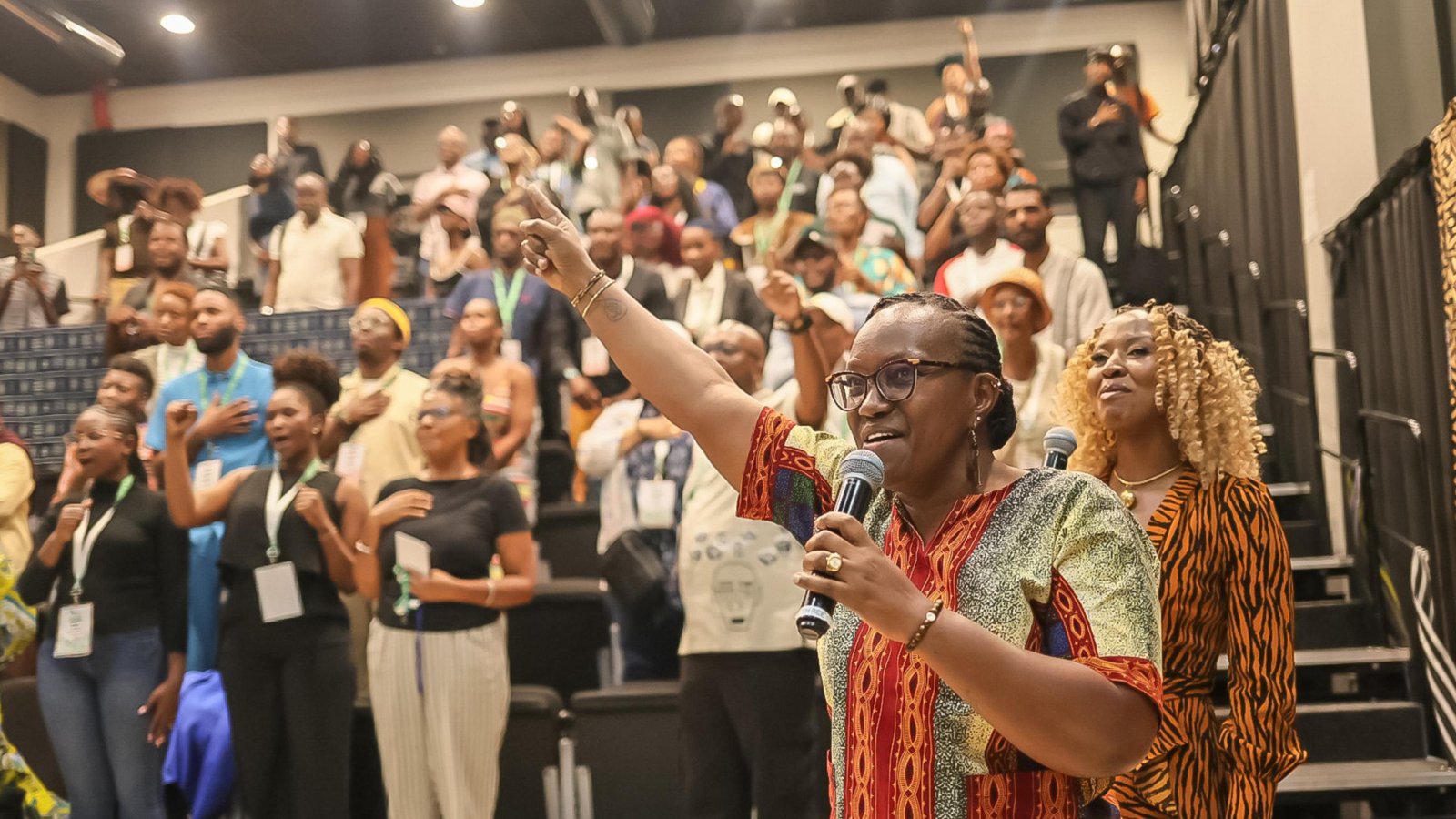
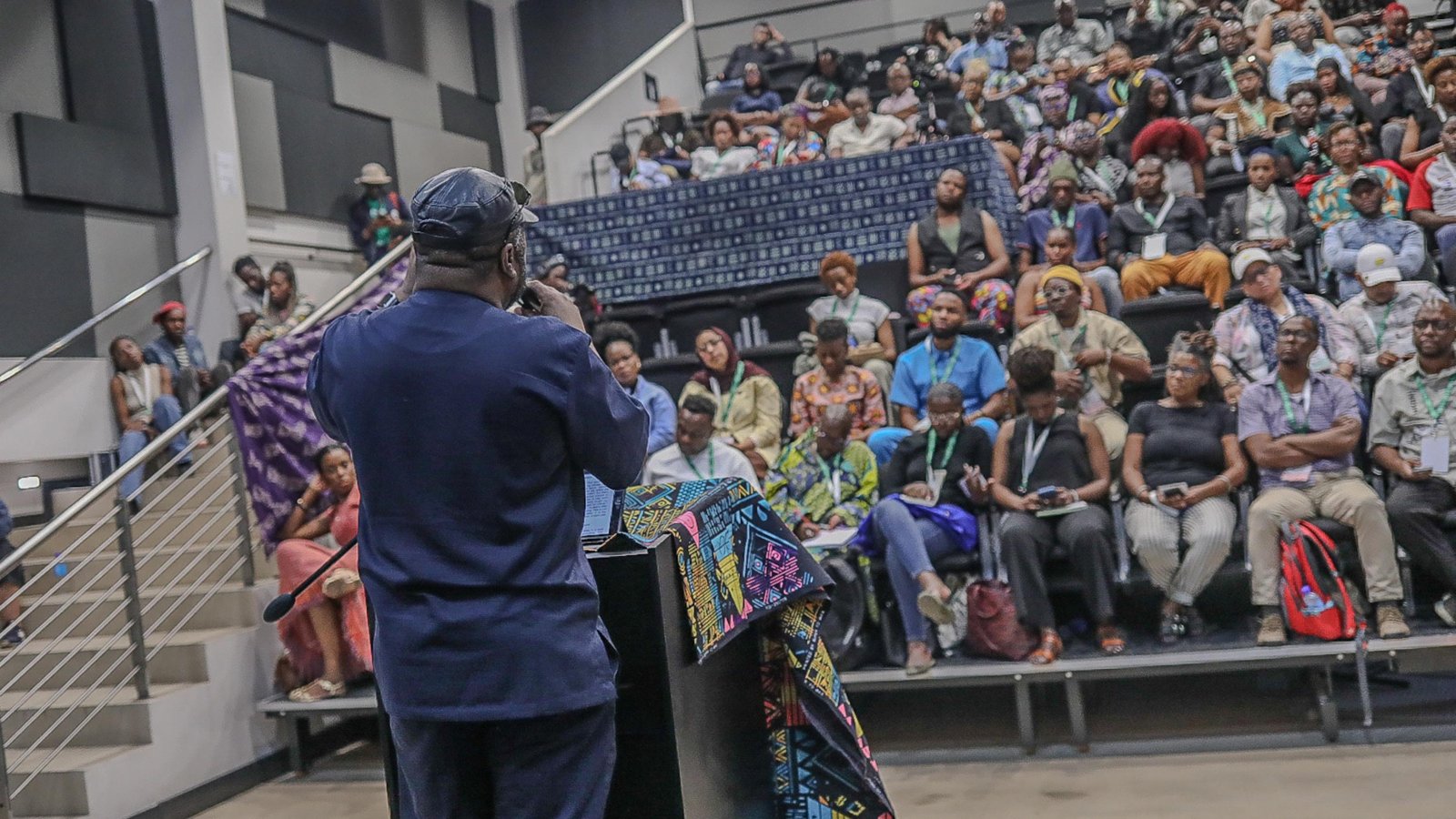
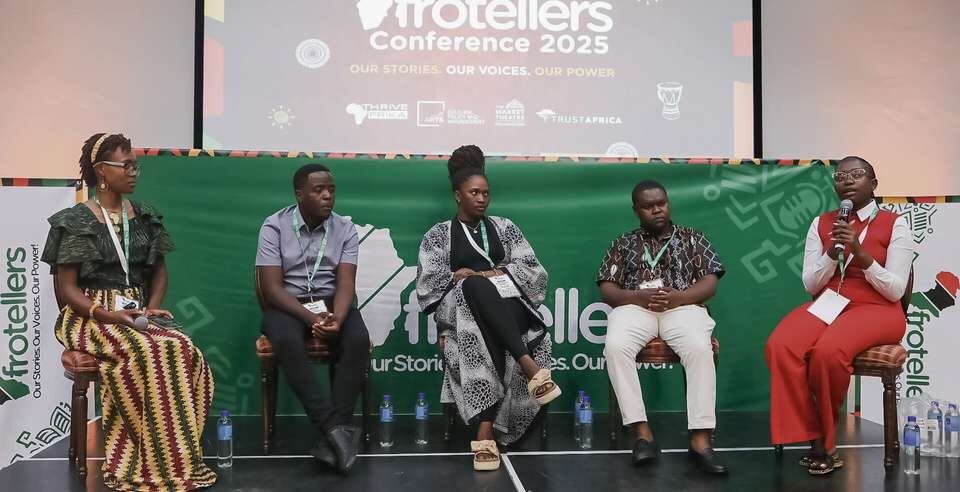
The movement in full voice — Afrotellers Conference 2025
Who writes the code that writes our stories?
Algorithmic colonialism in content generation, Afrikan language representation in AI training data, deepfakes and synthetic media in information warfare, data sovereignty, and the tools Afrikan storytellers are building and reclaiming.
Narratives shape policy, and policy shapes what narratives are possible.
How stories drive advocacy and legal reform, hold power to account, and influence public policy — in direct dialogue with the Kenya national government, the East African Community, and the African Union. What would a continental policy framework for narrative sovereignty look like?
Narrative sovereignty cannot be built on borrowed money and borrowed platforms.
Who funds Afrikan stories, on what terms, and with what conditions attached? Creative industries, cultural policy, and what an autonomous, Afrikan-owned cultural economy might look like — as a design challenge, not a distant aspiration.

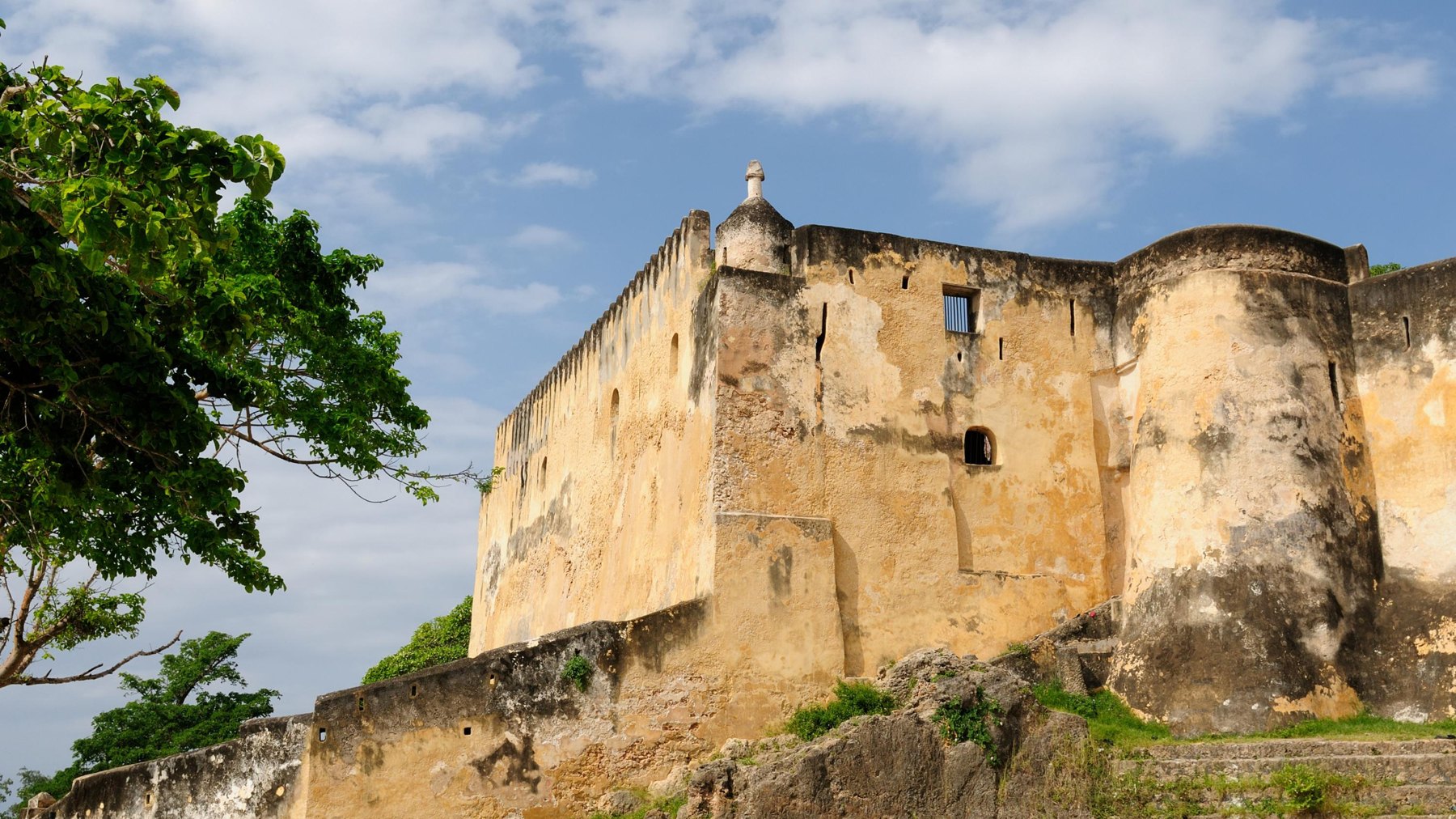
Fort Jesus — a UNESCO World Heritage Site built in 1593, testimony to the centuries-long struggle for control of the East African coast
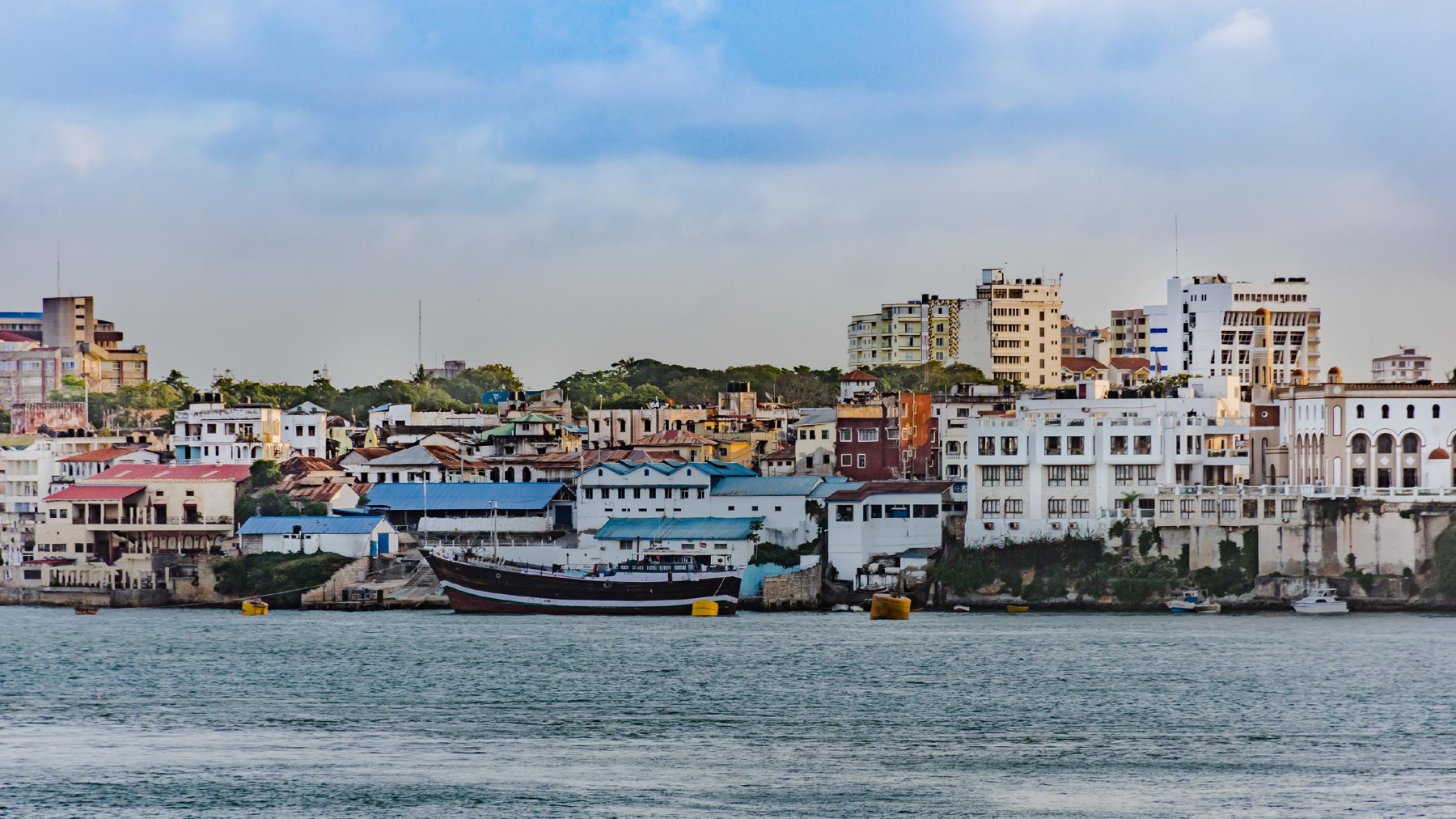
Mombasa is not a neutral backdrop. It is a city whose geography is itself a story of contested power, layered identity, and Afrikan resilience.
From the ancient walls of Fort Jesus — a UNESCO World Heritage Site built in 1593 and one of the most significant physical testimonies to the centuries-long struggle for control of the East African coast — to the vibrant streets of Old Town, Mombasa carries history within its walls. It is a physical argument for the complexity of Afrikan identity and the persistence of Afrikan agency.
As Kenya's second city and a major Indian Ocean port, Mombasa sits at a living crossroads of trade, culture, and geopolitical influence — a fitting stage for a conference asking what narrative sovereignty means for Afrika.
Delegates arrive in Mombasa. Evening welcome reception and community gathering.
Paper presentations, exhibitions, and storytelling works showcases — the first dedicated paper presentations track in Afrotellers history.
Plenary and breakaway sessions across the three subthemes, followed by the Mombasa coastal heritage and ocean experience: the Old Town walking tour, Fort Jesus, and a dhow sunset cruise on the Indian Ocean.
A celebration of Afrikan storytelling, culture, and creative economy — open, public, and alive.
The detailed session programme will be published closer to the conference. Speakers will be announced progressively.
Afrotellers 2026 is genuinely cross-sector: the quality of the conversation depends on the diversity of the people in the room. Target attendance: 200+ delegates from across Afrika and the diaspora.
Writers, filmmakers, oral storytellers, photographers, podcasters, journalists, visual artists, performers, and content creators across all media.
Social movement organisers, community advocates, human rights defenders, and civic leaders who use narrative as a tool for change.
Development organisations, foundations, philanthropic institutions, and civil society organisations working on social impact across Afrika.
Scholars working on media, technology, governance, cultural studies, communication, and related disciplines.
Government representatives, traditional leaders, policymakers, diplomats, and institutional leaders at national, EAC, AU, and international levels.
Foundations and donors investing in Afrikan storytelling, media, civic space, and cultural infrastructure.
For the first time, Afrotellers features a dedicated paper presentations track. Submissions are welcome from academics, researchers, practitioners, journalists, policymakers, and community leaders working within any of the three subthemes — in English or French.
Deadline: 12 July 2026 · Notification: 31 July 2026 · Final papers: 13 September 2026
The Storytelling Works Showcase is a curated exhibition and screening programme that gives Afrikan storytelling works a stage, a serious audience, and an extended conversation. Selected works are presented not as decoration but as argument.
Deadline: 12 July 2026 · Notification: 31 July 2026
We especially welcome submissions from women and youth, Afrikan scholars, early-career researchers, and storytellers from communities whose voices are underrepresented in mainstream African media.
By air: Moi International Airport (MBA) serves Mombasa directly, with connections through Nairobi's Jomo Kenyatta International Airport (NBO) from across Afrika and the world.
By rail: The Madaraka Express SGR connects Nairobi and Mombasa in under five hours — itself a journey through the Kenyan landscape worth taking.
Visas: Kenya operates an electronic travel authorisation (eTA) system for most visitors. Delegates are advised to apply well ahead of travel.
Venue details, recommended accommodation, and delegate travel guidance will be shared with registered participants.

The Indian Ocean has carried traders, storytellers, and liberators for thousands of years
Afrotellers is not a corporate conference. It is a continental movement — and like all movements, it is built through solidarity, collective investment, and a shared commitment to a vision.
Together with our Conference Co-Convener, the Cultural Policy and Management Department at the University of the Witwatersrand, we invite foundations, NGOs, development organisations, research institutions, cultural bodies, and corporate actors to stand alongside one of Afrika's most dynamic thought leadership platforms at a pivotal moment in its history.
Partnership tiers reflect the nature and level of contribution. Beyond financial support, partners help shape the intellectual agenda and stand visibly alongside a growing movement.

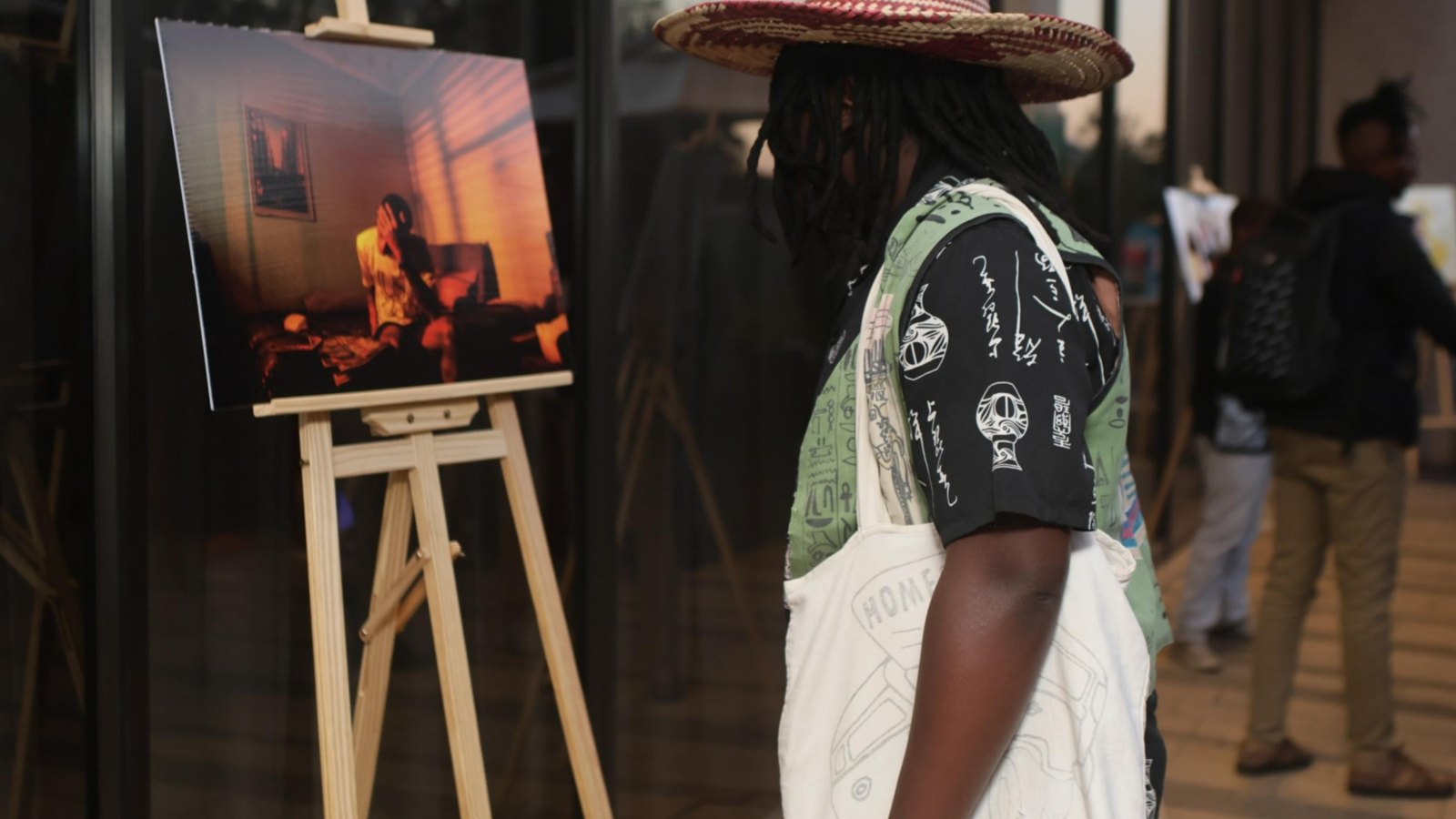
Exhibition space, Afrotellers 2025
Over the years, Afrotellers has been privileged to work alongside a range of institutional partners who have supported the movement and share a commitment to Afrikan narrative sovereignty.


Pre-registration lets you express interest before full registration opens. It does not commit you to attending — it ensures you receive registration details, programme announcements, and travel guidance first.
Full registration details, including fees and packages, will be announced to pre-registered participants first. Pre-register now to be notified.
The conference is designed for storytellers, creatives, activists, researchers, journalists, policymakers, development actors, and funders from across Afrika and the diaspora — anyone committed to Afrikan stories told with integrity.
Yes. The Call for Papers and the Call for Storytelling Works are both open until 12 July 2026. Each page carries the full call, instructions, and a submission form.
Yes. Partnership tiers are available for foundations, NGOs, research institutions, cultural bodies, and corporate actors. Contact willson@thriveafrika.net or themba@thriveafrika.net to request the Partnership Prospectus.
The main conference language is English. Paper submissions are welcome in English and French.
Kenya operates an electronic travel authorisation (eTA) for most visitors. Delegates are advised to check requirements for their nationality and apply well ahead of travel. Registered delegates will receive supporting documentation where needed.